Exploring Military Aviation: Key Trends and Innovations
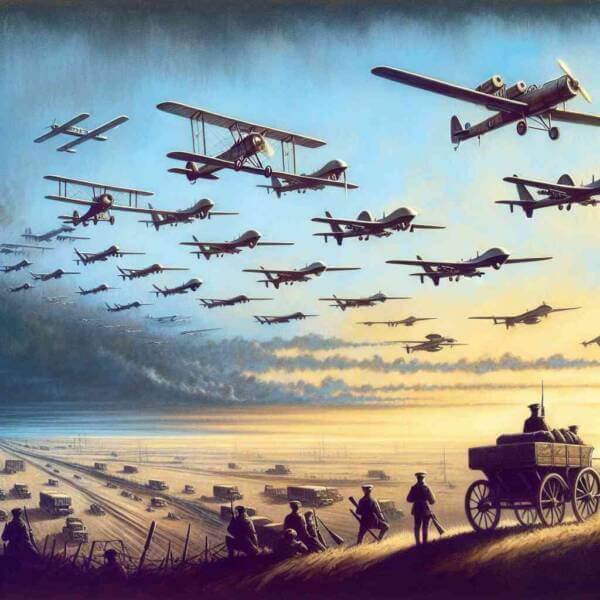
The use of aircraft in military operations offers superior capabilities.
Today, military aviation encompasses a wide range of aircraft types, from fighter jets and bombers to surveillance drones and transport planes.
History of Military Aviation
As technology advanced, airplanes were adapted for air-to-air battles, altering battlefield dynamics.
Major milestones in military aviation history include:
- The introduction of fighter planes and bombers
- World War II advancements
- The Cold War era
- Remote operations changing the face of conflict
Each era brought innovative strategies that redefined military capabilities.
Main Categories of Military Aviation
Military aviation includes a variety of aircraft, each designed for specific missions.
Common categories of military aircraft are:
- Planes built for speed and agility
- Bombers
- Planes used to move troops and equipment
- Reconnaissance and surveillance drones
Each type plays a vital role in military operations, from supporting ground forces.
Why Control of the Skies Matters
Controlling the skies protects ground operations.
How controlling the air impacts battles:
- Protecting ground forces
- Cutting off enemy resources
- Surveillance and reconnaissance missions
- Psychological impact on enemy forces
Nations with strong military aviation capabilities can shape outcomes.
Technological Innovations in Military Aviation
Constant research and development redefine capabilities for future warfare.
Future technologies in military aviation:
- Aircraft designed to evade radar detection
- Ultra-fast strike capabilities
- Unmanned aircraft operating independently
- New forms of aerial weaponry
These advancements enhance lethality for air forces worldwide.
Risks and Limitations
Despite technological superiority, military aviation faces significant risks.
Key challenges include:
- Expensive research and operations
- Short life cycles for cutting-edge aircraft
- Cybersecurity threats
- Questions about accountability and control
Addressing these challenges is essential for website maintaining air power.
Where Military Aviation is Heading
The future of military aviation promises an era of transformation.
Future trends may include:
- Smarter decision-making systems
- Defending assets beyond Earth
- Eco-friendly military aircraft
- Joint defense projects
The next era of military aviation will shape the future of global security.
Conclusion
Military aviation remains a decisive factor in global defense.
As technology continues to evolve, the skies will remain a frontline of innovation where military aviation shapes the world order.
The future of military aviation is limitless — and it’s only just beginning.